


Tri-National Insect Movement Collaborative
The Tri-National Insect Movement Collaborative is a partnership of state, provincial, federal, academic, nonprofit, and community scientists working together to better understand insect movement across North America. Through standardized tagging protocols, coordinated data collection, and information sharing, the collaborative seeks to answer priority questions in movement ecology and provide the science needed to inform insect conservation and management.
At present, the resources on this webpage focus on monarch butterfly tagging and movement ecology. However, the collaborative is intentionally framed around insect movement more broadly to support future expansion to additional insect species as tracking technologies and collaborative research opportunities continue to develop.
The collaborative welcomes participation from agencies, researchers, conservation organizations, Tribal partners, universities, and trained community scientists whose efforts contribute to coordinated research and conservation objectives.
The Tri-National Insect Movement Collaborative supports the responsible use of insect tracking technologies to address priority conservation questions. Because handling and tagging insects carries potential risks to both individual animals and data quality, tracking efforts should be conducted only when they contribute to clearly defined research or management objectives and follow standardized protocols, applicable permitting requirements, and appropriate training. Inclusion of information on this webpage does not constitute an endorsement of any commercial product or technology.
Responsible Use of Tracking Technologies
Tracking technologies offer exciting opportunities to improve our understanding of insect movement, but they should be used thoughtfully and responsibly. Improper handling, inconsistent methods, or unnecessary tagging may reduce the scientific value of collected data and could adversely affect individual insects.
The collaborative encourages tracking efforts that:
- Address clearly defined research or conservation questions
- Follow standardized protocols
- Comply with permitting requirements
- Prioritize butterfly welfare
- Contribute data that can inform conservation and management decisions
The resources provided on this webpage reflect the tracking technology currently being used to address the collaborative's research priorities. AFWA provides these materials to promote consistent methods and high-quality conservation science and does not endorse commercial products or manufacturers.
Vision and Strategic Planning
The collaborative is guided by a shared vision for coordinated monarch movement research across North America using radio tracking CTT tags (BlūMorpho & Blū+). The visioning paper (coming soon!) outlines the scientific priorities, conservation goals, and collaborative framework that guide this effort. We expect to publish the visioning paper in Fall 2026.
Standardized Tagging Protocol
To ensure that monarch movement data can be combined across projects, organizations, and countries, all participants are encouraged to follow the standardized Monarch Butterfly BlūMorpho Tagging Protocol. Consistent methods improve monarch welfare, increase data quality, and allow researchers to address continental-scale questions about monarch movement and conservation.
The protocol provides detailed guidance on:
- Tag deployment and attachment techniques
- Butterfly handling and welfare considerations
- Equipment and materials
- Required data collection and metadata
- Field procedures and best practices
- Data quality recommendations
Before deploying tags, please review the protocol in its entirety and ensure you have any permits required in your jurisdiction.
This protocol is a living document and may be updated as new information becomes available. Please refer to the latest version before each field season.
Permitting (complete state permit list coming soon!)
Permit requirements for insect collection, handling, and tagging vary among states, provinces, Tribal lands, federal lands, and protected areas.
Before beginning field work, please review the permitting guidance for your jurisdiction. While AFWA will make every effort to keep the information on this webpage current, wildlife laws, regulations, and permitting requirements are subject to change. Participants are responsible for obtaining any required permits and for verifying current requirements with the appropriate state, provincial, Tribal, or federal wildlife agency before conducting field work. Compliance with all applicable laws and regulations is the responsibility of the individual or organization conducting the tagging.
The categories below address organized monarch capture, handling and tagging activities, rather than casual observation or personal insect collecting. Requirements may differ depending on whether an activity constitutes scientific research, collection, possession or take under the applicable jurisdiction’s laws.
Permit required for monarch tagging
- Arkansas
- California
- Connecticut
- Delaware
- Hawaii
- Kansas
- New Jersey
- North Carolina
- North Dakota
- Rhode Island
- South Carolina
- South Dakota
- Washington
- Mexico
Permit requirements depend on circumstances
These states indicated monarch tagging depends on one or more of the following:
- whether monarchs become state-listed,
- whether work occurs on public lands,
- whether the project is research,
- whether the species is state or federally listed,
- land ownership,
- or agency discretion.
- Florida
- Georgia
- Illinois
- Maine
- Michigan
- Minnesota
- Nebraska
- New York
- Ohio
- Pennsylvania
- Vermont
- Wisconsin
No state wildlife permit generally required for monarch handling/tagging
- Arizona
- Colorado
- District of Columbia
- Idaho
- Maryland
- Nevada
- New Mexico
- Oregon
- Texas
- Utah
- Virginia
- Wyoming
Training Demonstration Videos & Additional Resources
Whether you are new to tagging or an experienced practitioner, these videos will help ensure consistent tagging methods across the collaborative.
- Kristen Baum with Monarch Watch: https://youtu.be/2d8LF1s-Cno
- Emily Geest with OKC Zoo: https://youtu.be/D6UQenJCsz0?si=fj9zyxQce-7Q99zK
- Lee Brown with JMU: https://youtu.be/jiUgl5VZ_Co?si=mxXnXb39bbs741Y_
- Mike Lazone with CTT: https://www.youtube.com/watch?v=ej08UgwP1vM
Some important points that these videos may not include:
- Note the suggested monarch weight/mass requirements in the tagging protocol above (tag-to-body weight ratios should be below 20%).
- The monarch's thorax is humped, not flat. The radio tag needs to be placed carefully at the top of the hump and not allowed to slip off to one side.
Additional Resources
-
Blu+ Walkthrough with Ashley Fisher, Xerces Society - Presentation Slides
-
Blu+ Walkthrough with Ashley Fisher, Xerces Society - Video Presentation
Tell Us About Your Tagging Plans
Planning to deploy monarch tags this season?
Complete the short survey to let us know where and when you plan to tag. Your information will help us coordinate efforts across North America, identify areas where additional coverage is needed, and connect nearby collaborators.
Participants who complete the survey will be added to our interactive Tag Deployment Map (see below).
Submit your tagging plans here.
Tag Deployment Map
Explore where organizations and individuals are planning to deploy tags across North America.
The map helps collaborators:
- Identify goal numbers of tags and when to aim to deploy based on locations
- Identify nearby tagging efforts
- Coordinate field activities
- Improve geographic coverage/fill gaps in tagging efforts
- Build regional partnerships
Stay Connected
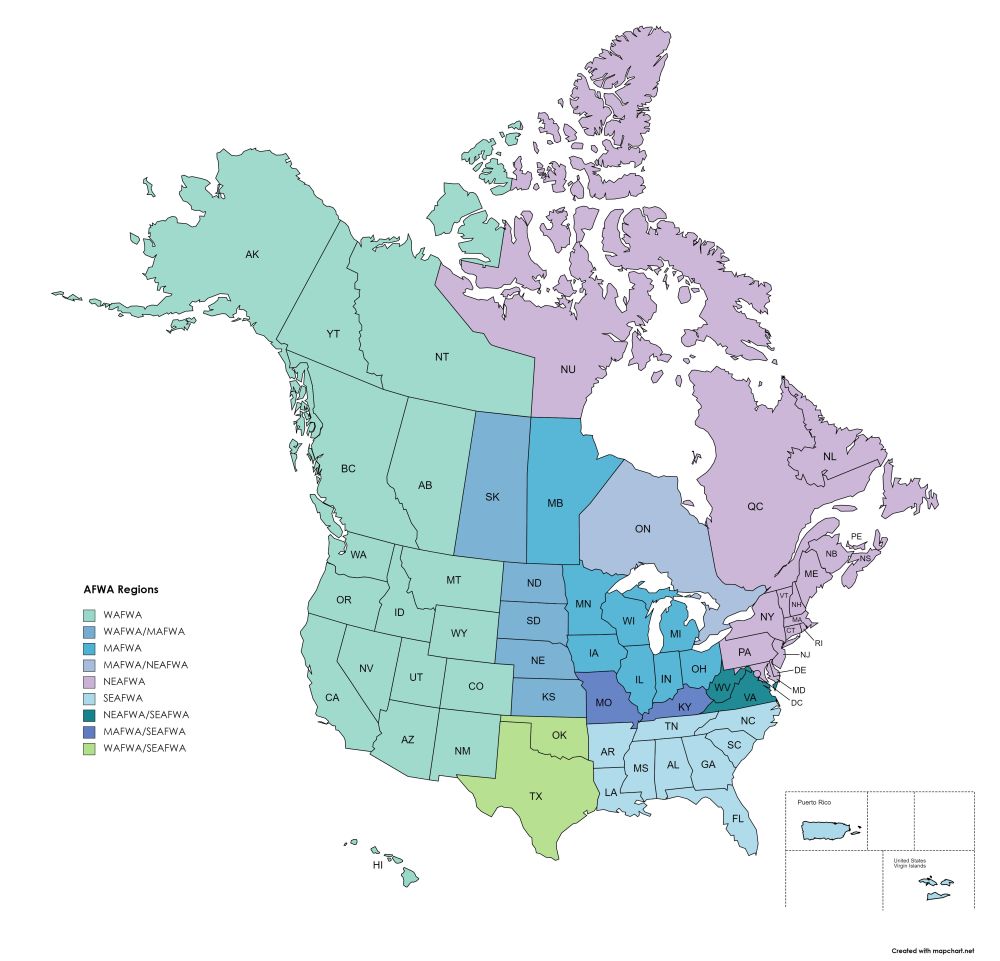
The collaborative is organized through a Tri-National listserv and four regional working groups. Joining your regional group is the best way to receive updates, ask questions, coordinate activities, and connect with nearby collaborators.
TRI-NATIONAL MONARCH RADIO TRACKING WORKING GROUP
General announcements, continental coordination, meetings, and resources.
Regional Working Groups
-
Western Monarch Radio Tracking Working Group (WA, OR, CA, NV, ID, MT, WY, UT, AZ, MN, WY, CO, Mexico)
-
Midwest Monarch Radio Tracking Working Group (ND, SD, NE, KS, MN, WI, MI, IA, IL, IN, OH, MO, KY, Ontario)
-
Southeast Monarch Radio Tracking Working Group (TX, OK, Mexico, AR, LA, MS, TN, AL, GA, NC, SC, FL)
-
Northeast Monarch Radio Tracking Working Group (VA, WV, PA, DC, MD, DE, NJ, RI, CT, MA, NY, VT, NH, ME, New Brunswick, Nova Scotia, Quebec, Ontario)
Each regional group provides opportunities to coordinate locally while contributing to the larger continental effort.
Frequently Asked Questions (coming soon!)
Our FAQ addresses common questions, including:
-
Who can participate?
-
How do I obtain tags?
-
Which protocol should I follow?
-
Do I need a permit?
-
How do I join a regional working group?
-
How will my data be used?